Stress. Anxiety. Perhaps symptoms are less definable. The external no longer matches the internal. A general malaise that makes life difficult. A disinterest in life. Loneliness. Misunderstood. Perhaps darker thoughts.
Unable to think a way out, even well-meaning advice and previous coping mechanisms no longer work. Uncomfortable feelings of fear and apprehension habitually return, often unannounced.
What is behind these anxious states that affect our relationships with self and others, our way in-the-world?
All you do know, is that it cannot go on like this.
What brings you here...?
What next...?
Considering who might accompany you on this journey into unfamiliar territory is an important one. Inevitably it will involve talking about experiences and difficulties that have shaped you, caused most pain. It may also involve revealing a desire to re-shape these perceptions.
What follows may go some way to help you consider the form and with whom therapeutic support might take. The most important first step might be to make contact for an initial consultation. Without any obligation, it would be an opportunity to experience what may be best in your present circumstances.
What might we do...?
If it’s answers you seek, we have to begin by asking the right questions.
As much as speaking of present life experience, we might consider the journey you made to this place. In this confidential, safe space, a history of experience, often more difficult to verbalise might be expressed. This psychodynamic way of working involves looking together at these past experiences. Psychoanalysis looks in more depth and considers the unconscious motivations or resistances.
To bring new awareness and a different way of seeing. To look at the root cause and untangle the no-longer-useful from our way-of-being.
Making Contact...?
Initial consultations and ongoing work currently are via Zoom, Skype or FaceTime. Being in the same room, face-to-face would always be the ideal. My practice is in North London (N6, 8min walk from Highgate Tube and Bus services 134, 43 & 41).
In this confidential space there is the opportunity to meet, speak and be heard. The mode, frequency and cost would also be discussed. If a colleague or mode of practice might be more suited, then this would be discussed.
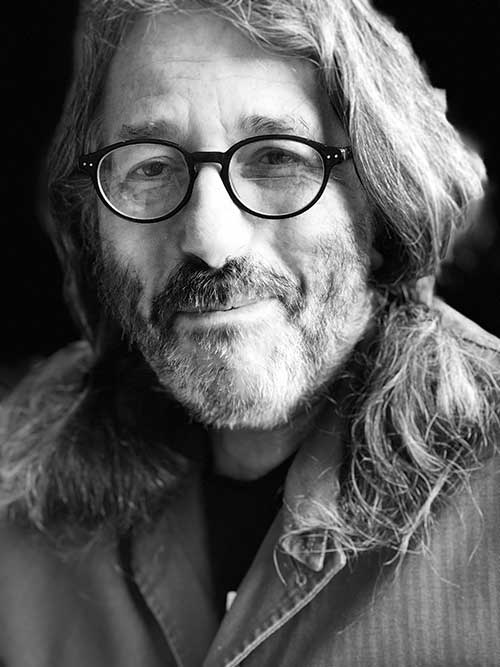
About Me
I have been in private practice for ten years, experiencing a wide range of mental health concerns. These may be described as poor self-esteem, depression, anxiety, trauma, loss, identity and relational problems.
I have a long-standing experience and work in all areas of substance addiction.
I also have experience working in the area of psychosis. being part of the clinical team at the 'The Psychosis Therapy Project'. Working with people who experience severe mental illness the project offers long-term psychotherapy, giving time and space to articulate distressing experiences, to those who are often only offered medication.
I have an interest in the arts. My studies and practice in psychoanalysis combined with my art practice formed PhD Thesis.
Credit: Simon Spilsbury for illustration and Philip Craig for page design.
Qualifications
2010 MA in Fine Art (Distinction)
2012 Postgraduate Diploma in Psychodynamic Theory and Practice (Merit).
Graduating from WPF (accredited by Roehampton University)
2021-Present Society for Social and Critical Psychoanalysis
2017 PhD Research Degree ‘An Exploration of Pathography within Phototherapy, An Analysis of the Photographic Self-Portrait’
2016-Present Clinician with 'The Psychosis Therapy Project'
I am registered with two professional bodies. UK Council for Psychotherapy (Associate Member) and the BACP (Individual Member).